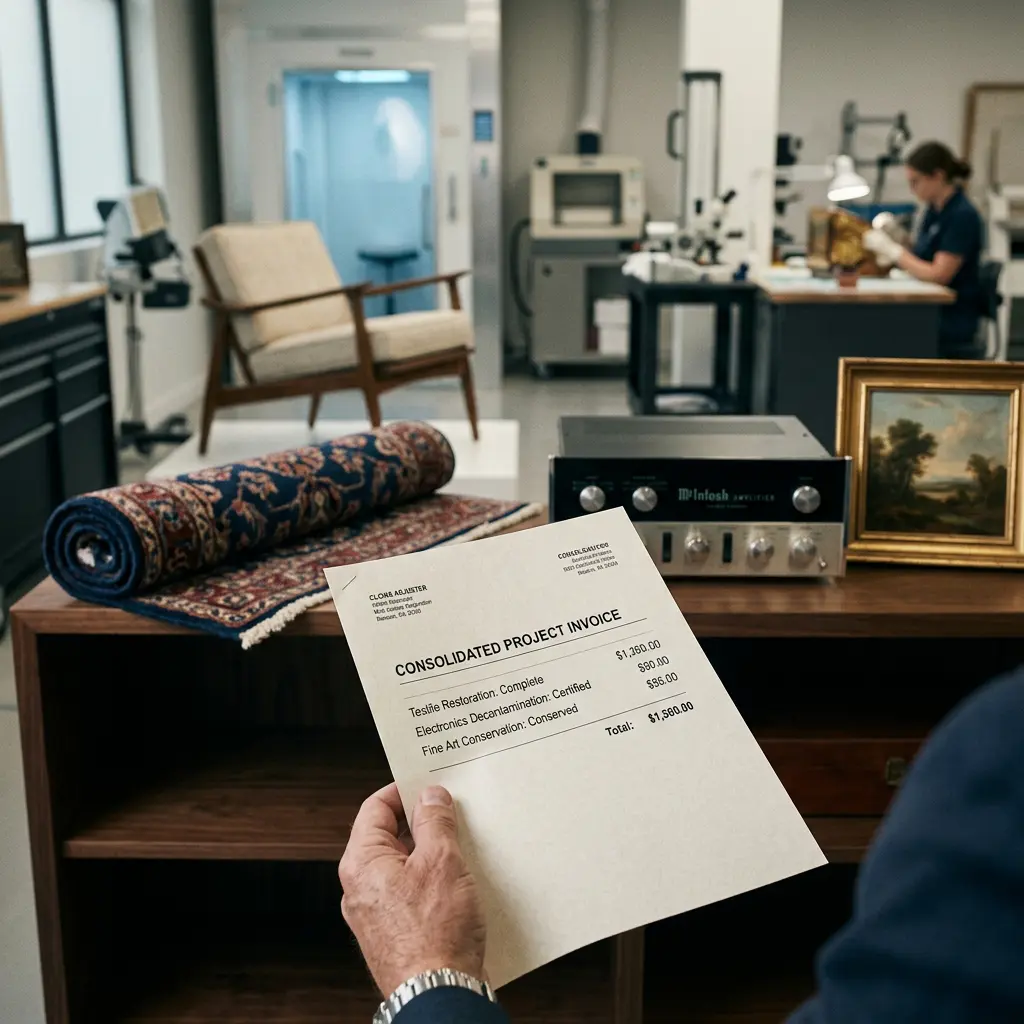


I’ve watched too many restoration contractors destroy their reputations with a single invoice. They show up, start tearing out drywall, and send a bill three weeks later that makes the adjuster’s blood pressure spike. The homeowner gets caught in the middle. The insurance company pushes back. Everyone ends up in a dispute that could have been avoided with one conversation.
That’s not how I run restoration projects.
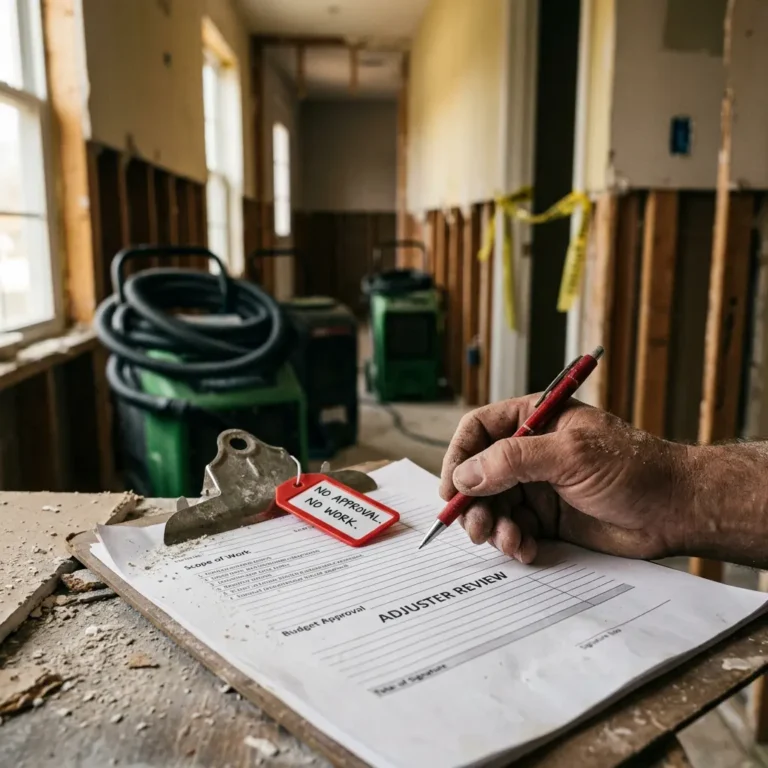
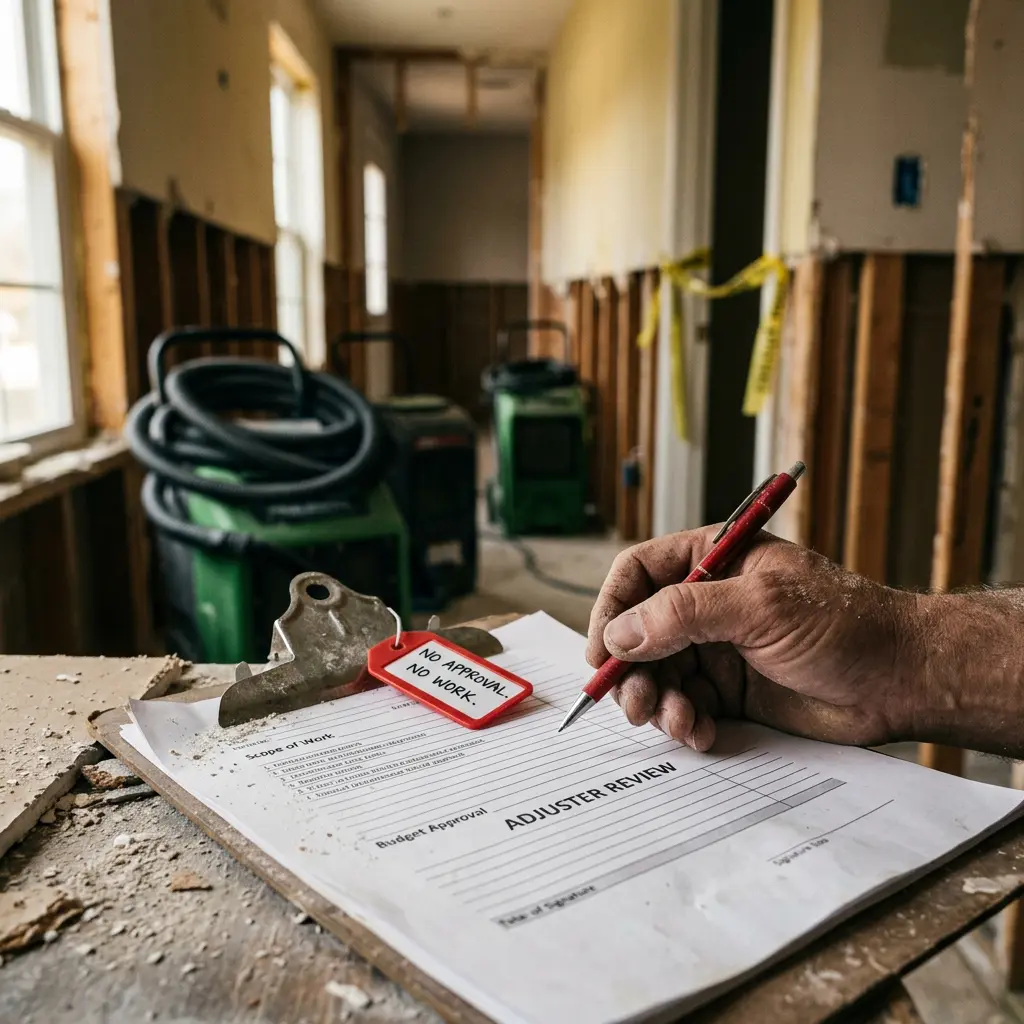
At Unified Restorations, we don’t touch anything until the adjuster has reviewed the scope and approved the budget. This isn’t bureaucracy. This is respect for how the insurance restoration process actually works – and recognition that the adjuster’s position is uniquely challenging. They’re the bridge between carrier guidelines and policyholder needs, navigating policy limits, deductibles, exclusions, and payout caps while trying to determine fair settlements. The last thing they want is someone who wastes their time or makes their jobs harder.
I learned this the hard way.
The Pattern I Keep Seeing
Surprise billing is the primary cause of contractor disputes. Most surprise charges stem from poor communication and lack of documentation – contractors performing work without obtaining prior approval on pricing, which leads to invoice disputes that damage both reputation and cash flow. The numbers tell the story: 22% of small businesses struggle to pay bills due to cash flow problems, and 45% of business owners forgo their own paychecks because of payment delays and disputes caused by these exact situations.
The restoration industry has a documented problem with contractors billing insurance companies for work never performed or padding invoices with inflated charges. Insurance adjusters frequently report receiving invoices with computer-generated standard language and hours attached that don’t match actual work completed. This creates systemic distrust between all parties.
When you operate in that environment, you either become part of the problem or you build a system that eliminates it.
The Legal Framework Exists for a Reason
Virginia’s Department of Professional and Occupational Regulation requires all changes to contracts be made in writing and signed by both parties before implementation. Without written change orders, negotiations devolve into arguments that contractors rarely win. This regulatory framework exists precisely because surprise charges are so prevalent in the construction and restoration industries.
I don’t treat this as a compliance checkbox.
I treat it as the foundation of how professional restoration work should operate. Insurance companies require detailed documentation before authorizing work. Carriers typically assign adjusters within 24 to 72 hours for active losses. The standard process requires contractor scoping, adjuster review and approval, then insurance payment release. When contractors ask for payment before adjusters have reviewed the scope, something is wrong. Legitimate restoration companies wait for approval.
That waiting period is where trust gets built or destroyed.
What Pre-Approval Actually Protects
When I require adjuster approval before starting work, I’m protecting three parties simultaneously:
- The homeowner doesn’t get blindsided by scope disputes or payment delays. They know the insurance company has already reviewed and approved the work plan. There’s no confusion about what’s covered or what they might owe out of pocket.
- The adjuster maintains control of the claim process and stays within carrier guidelines. They’re not getting surprise invoices for work they never authorized. They can review the scope, ask questions, request adjustments, and ensure everything aligns with policy coverage before a single hammer swings.
- My company eliminates the risk of doing work that won’t get paid. We’re not gambling on whether the insurance company will approve charges after the fact. We’re not creating documentation battles or supplement requests because we started without alignment.
Detailed, transparent documentation creates transparency for insurers and contractors, making approval and reconciliation faster. When estimates are based on shared, standardized data, all parties work from the same information, reducing errors and misunderstandings that trigger delays.
This approach prevents the scope disputes and supplement requests that commonly occur when contractors start work without carrier approval.
The Relationship Advantage
I’ve noticed something over the years. Restoration billing experts report that being on the same page with adjusters helps strengthen relationships, which in turn helps streamline the billing process. Successful contractors take an individualized approach when communicating with adjusters, recognizing that every carrier and adjuster has unique preferences.
This relational equity – built on pre-approval and transparency – is what separates reputable contractors from predatory ones.
When you respect the adjuster’s position, you become a partner in the claims process rather than an adversary. You’re not trying to sneak charges past review. You’re not creating friction by demanding payment before approval. You’re demonstrating that you understand how insurance restoration is supposed to work, and you’re willing to operate within that framework.
Adjusters remember this.
They remember contractors who made their jobs easier. They remember companies that submitted clean, accurate scopes that didn’t require three rounds of revisions. They remember restoration firms that waited for approval instead of creating billing nightmares.
That memory turns into referrals, faster approvals on future claims, and a reputation that opens doors other contractors can’t access.
What This Looks Like in Practice
When a homeowner calls us after a water loss, we don’t show up with equipment and start extracting. We document the damage, create a detailed scope of work, and submit it to the adjuster for review. We wait for approval before we begin restoration.
This sometimes means the homeowner has to wait an extra day or two.
I explain why. The adjuster needs time to review the scope, verify coverage, and approve the budget. If we start work before that happens, we risk creating a situation where the insurance company disputes charges, the homeowner gets stuck with unexpected costs, and everyone ends up in a conflict that damages relationships.
Most homeowners understand this once you explain it. They’d rather wait 48 hours for approval than deal with billing disputes three weeks later. They appreciate knowing that the insurance company has already signed off on the work plan before we start tearing into their home.
The adjusters appreciate it too. They’re not getting ambushed with invoices for work they never authorized. They have time to review the scope, ask questions, and ensure everything aligns with policy coverage before committing carrier funds.
This is how professional restoration work should operate.
The Competitive Advantage of Transparency
I’ve built my career on a principle that seems obvious but is rarely practiced: tell the truth, document everything, and get approval before you act. In an industry where contractors routinely pad invoices and start work without authorization, this approach creates a massive competitive advantage.
Insurance companies want to work with contractors they can trust. Adjusters want restoration firms that make their jobs easier, not harder. Homeowners want transparency about what’s covered and what they’ll owe.
When you require adjuster approval before starting work, you signal to all three parties that you operate differently. You’re not trying to maximize invoice amounts through surprise charges. You’re not creating billing disputes by performing unauthorized work. You’re demonstrating that you understand the insurance restoration process and you’re willing to work within its structure.
This builds trust faster than any marketing campaign ever could.
It creates referrals from adjusters who remember contractors that made their lives easier. It generates repeat business from homeowners who appreciated the transparency. It establishes a reputation that becomes nearly impossible for competitors to replicate because most of them are still operating on the old model of “start work first, ask questions later.”
Why This Matters More Than Ever
The restoration industry is shifting. Insurance companies are tightening approval processes. Adjusters are scrutinizing invoices more carefully. Homeowners are more informed about their rights and more willing to dispute charges they don’t understand.
In this environment, contractors who operate on surprise billing and unauthorized work are going to struggle. The old approach of starting work and sending invoices later creates too much friction, too many disputes, and too much risk for everyone involved.
The contractors who will thrive are the ones who embrace transparency, require pre-approval, and treat adjusters as partners rather than obstacles. They’re the ones who recognize that the adjuster’s position is uniquely challenging and that making their job easier creates competitive advantages that can’t be replicated through pricing or speed alone.
I’ve been doing this for long enough to recognize patterns before they become obvious. The pattern I’m seeing now is clear: the restoration industry is moving toward greater accountability, stricter documentation requirements, and tighter approval processes.
The contractors who adapt will build sustainable businesses. The ones who resist will keep creating billing disputes, damaging relationships, and wondering why their reputations suffer.
I chose my path years ago. I require adjuster approval before any restoration work begins. This isn’t just policy. This is respect for how insurance restoration actually works, recognition of the adjuster’s challenging position, and commitment to transparency that protects everyone involved.
It’s the only way we know how to operate.